Wednesday, 08/05/2024
-
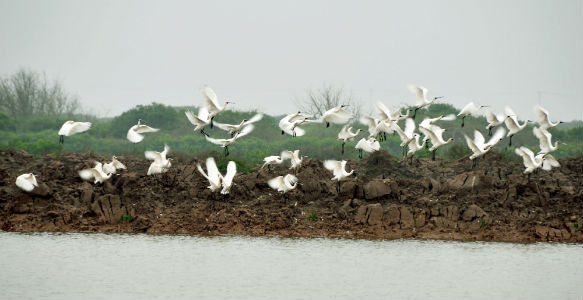
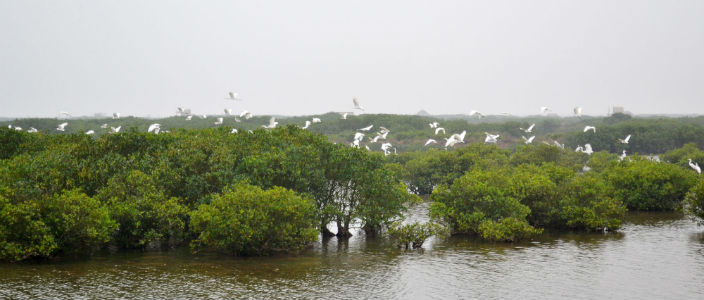
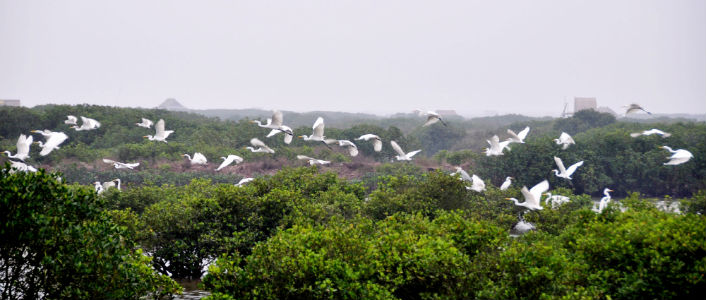
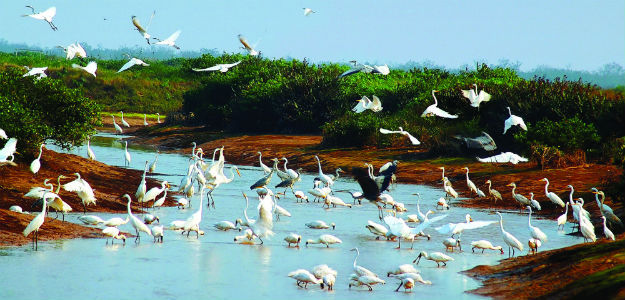
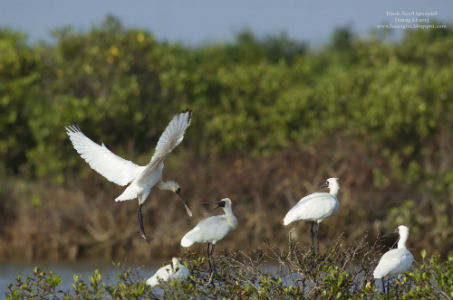
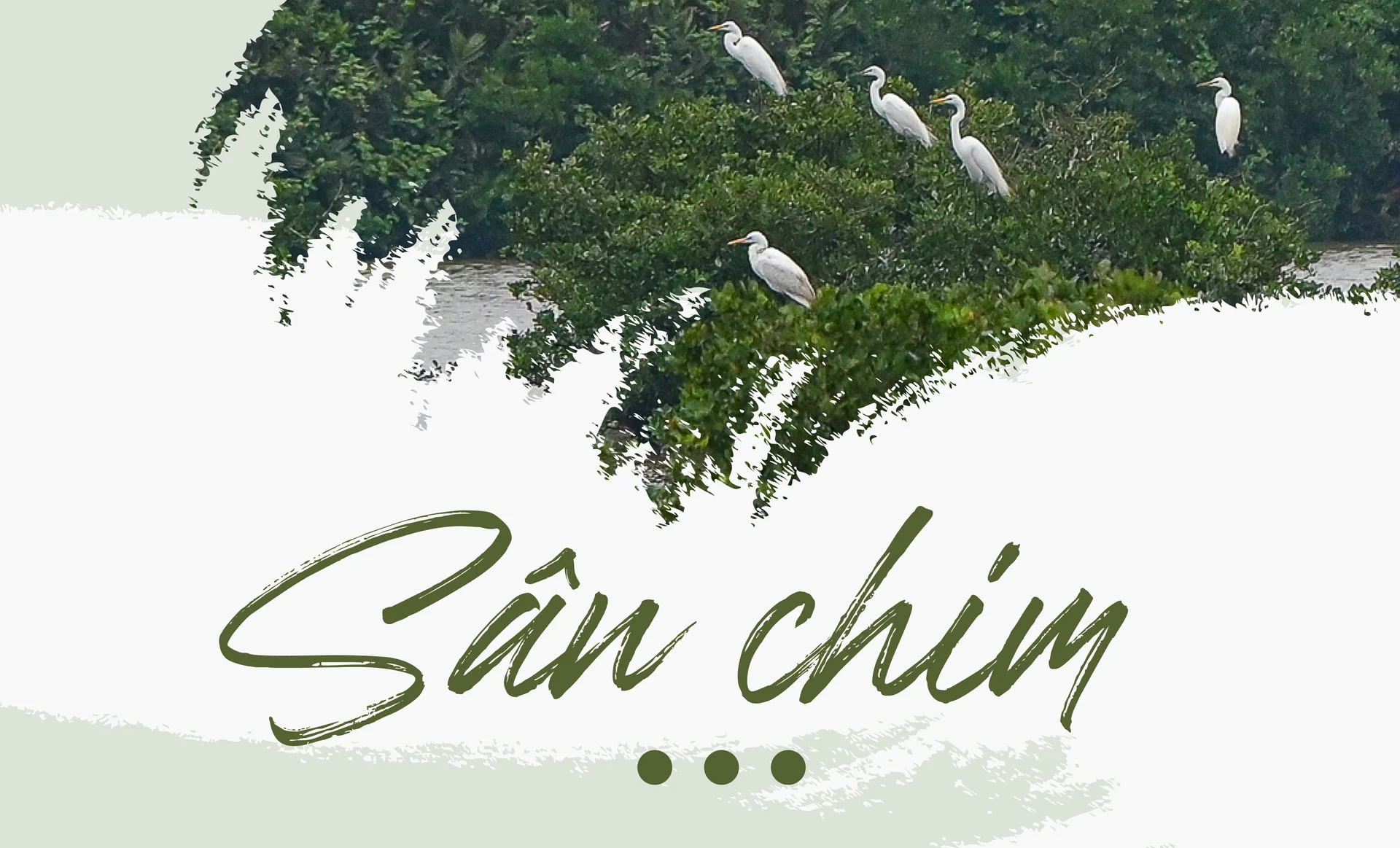 Xuan Thuy - where the birds return
-
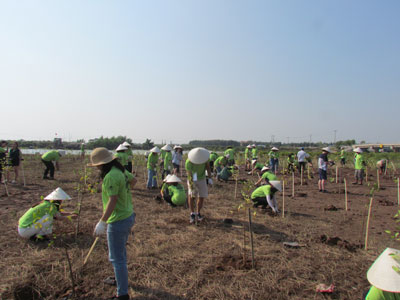 Project Mangrove Xuan Thuy
The project has two stages:
Stage 1: Sharing the message with family, friends, acquaintances
Stage 2: Sharing the message to a wider student community (after schools re-open) by non-profit selling stickers, bookmarks, and tote bags with illustrations of animals from Xuan Thuy National Park.
-
 Small action YET Strong impact
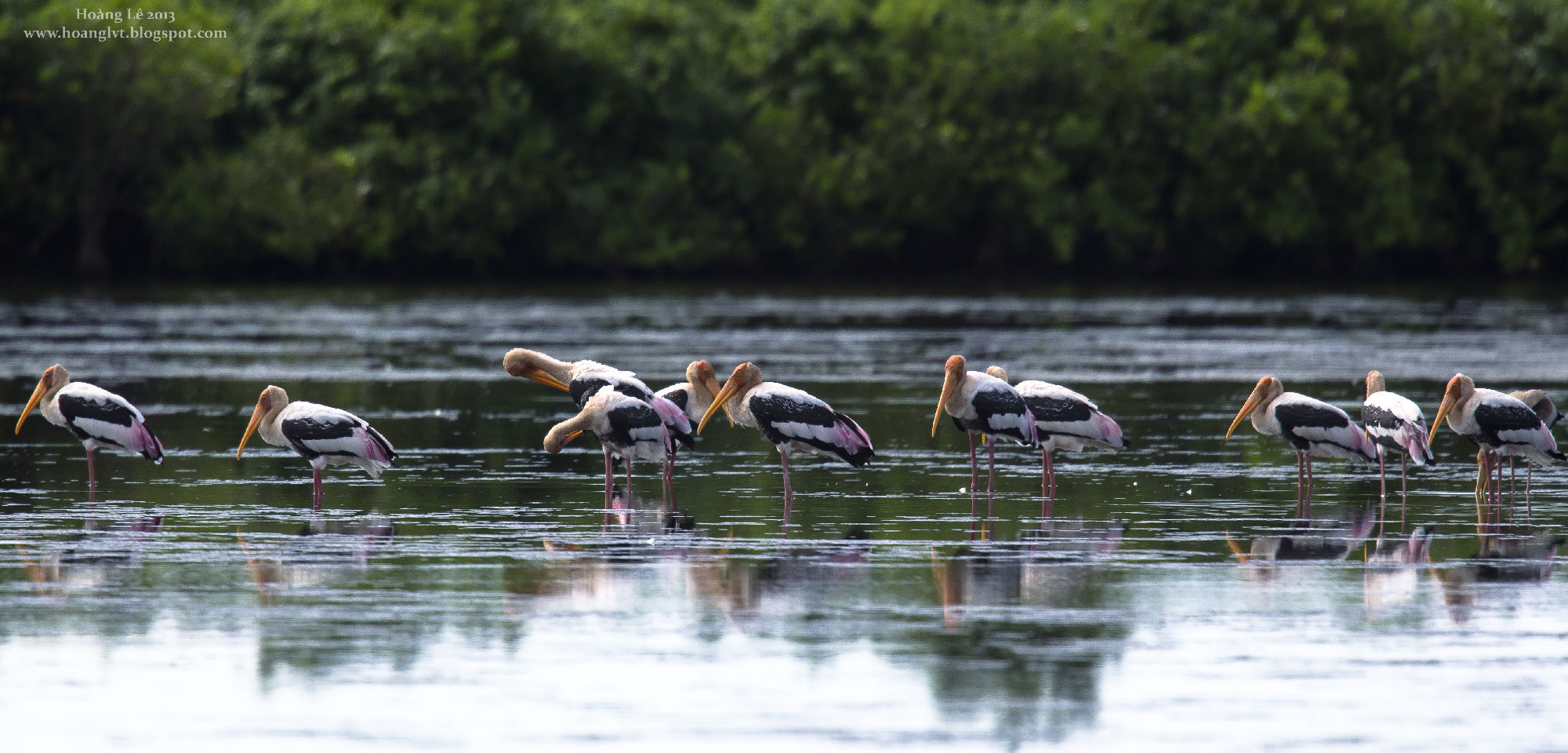
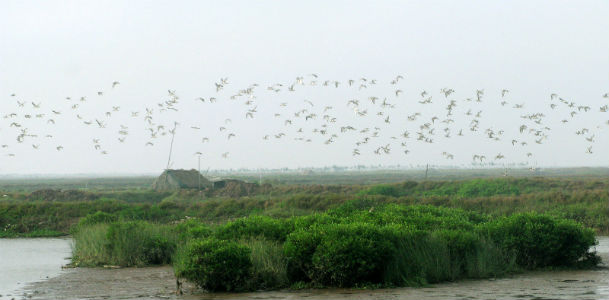
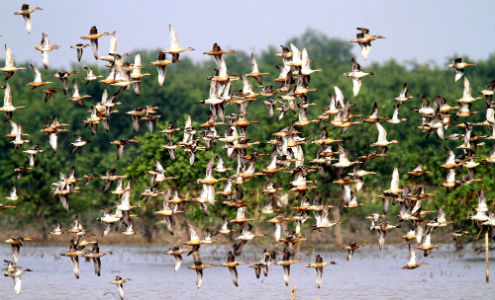
There have been widespread and inconclusive discussions in 5 the communes in the Xuan Thuy area about the recorded tape on the local radio, which reports the process to penalize an illegal bird hunter.
-
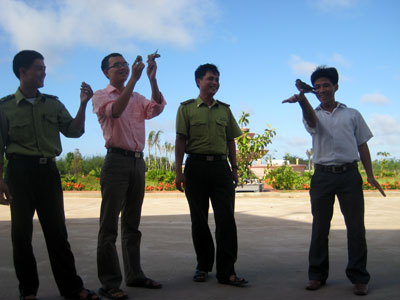 XUAN THUY RAMSAR - VIETNAM
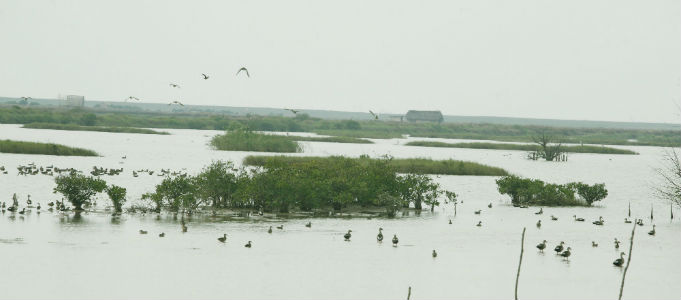
Xuan Thuy is the 50th Ramsar site worldwide (1989) and the first Ramsar site in the Southeast Asia. In 1995, Government decided to establish Xuan Thuy Wetland Natural Reserve in the area, which was upgraded to Xuan Thuy National Park (XTNP) (2003).
-
 Small opinion – Big success
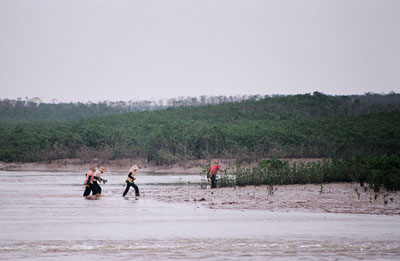
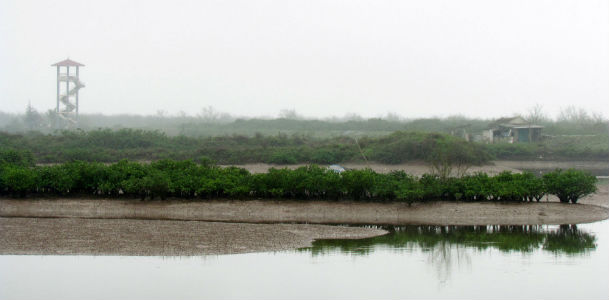
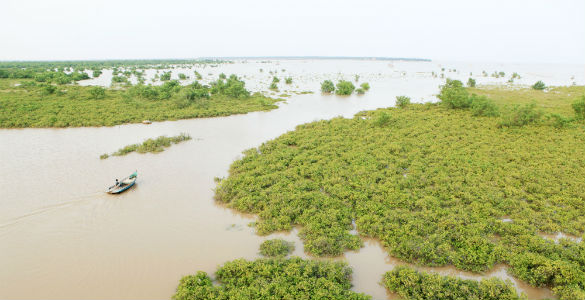
With a community-based management approach and encouraging their participation into the process of preservation and development, Xuan Thuy National Park (XTNP) has obtained important achievements in the sustainable management of wetlands resources of the region. The opinions of the community are always listened and addressed. One of them is about management issue in the mangrove forest and the resources under the forest canopy in the park’s buffer zone.
-
 Xuan Thuy National Marine Park Project
Teaching English, updating website, planting trees, and
doing farming with local people
-
 Travel routes in Xuan Thuy National Park
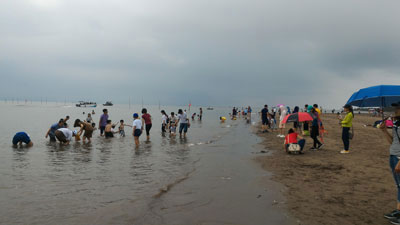
We wish to introduce visitors to the locally and internationally unique habitat of Xuan Thuy National Park, and help visitors to understand more about life and cultural activities of the local buffer zone communities. We introduce a number of roads, tourist sites and the typical natural activities below.
-
 COMMUNITY-BASED ECOTOURISM in the buffer zone of XUAN THUY NATIONAL PARK
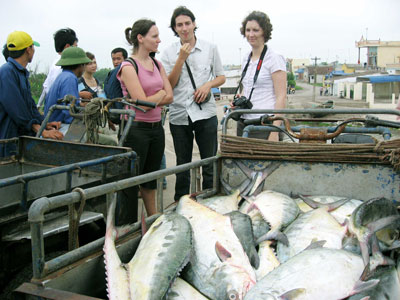
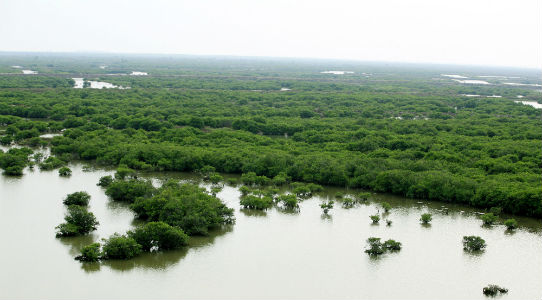
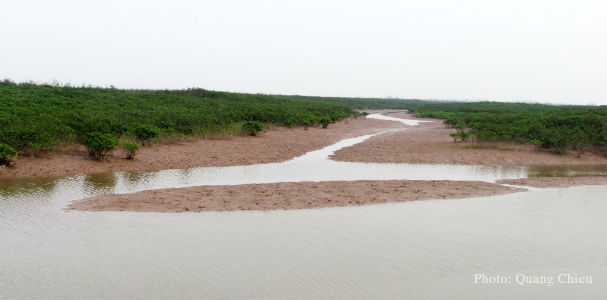
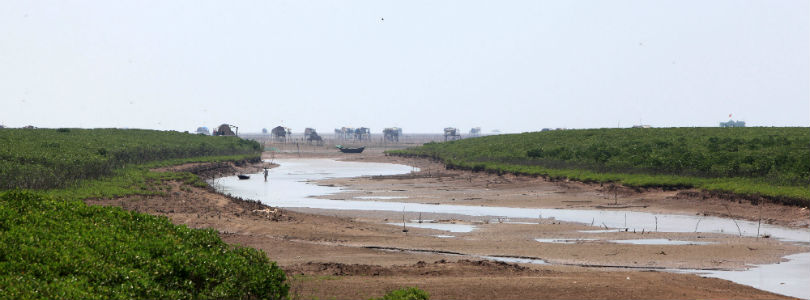
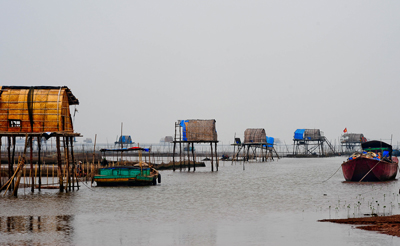
Being one of five communes in the buffer zone of Xuan Thuy National Park, Giao Xuan has all characteristics of the region with a long coastal line, mangrove forests, large alluvial ground for aquaculture, mild climate, and hospitable people, and the unique culture of Red River delta. All these characteristics give Giao Xuan striking advantages to become a pilot site for development of the community-based ecotourism.
-
 Tourism activities of Xuan Thuy National Park
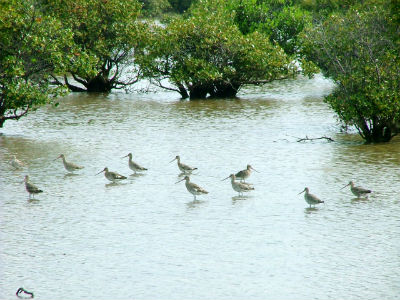
With a rich nature bestowed on the National Park, it is important in the field of conservation not only for researchers, the park members have also slowly introduced it to a growing number of tourists from both Vietnam and other countries and internationally promote it trough mass media and advertising leaflets.
 Vietnamese
 Tiếng Anh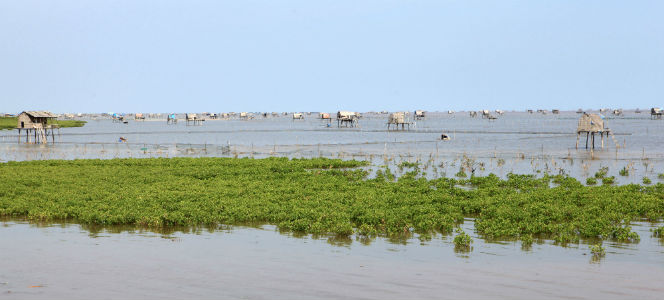
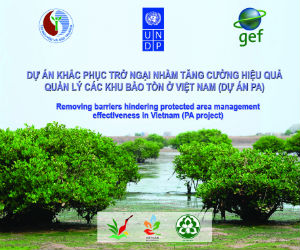
 Removing barriers hindering protected area management effectiveness in Vietnam (PA project)
Project objective: To secure a sustainably financed PA system, to conserve globally significant biodiversity to promote effective biodiversity conservation in Vietnam.
Removing barriers hindering protected area management effectiveness in Vietnam (PA project)
Project objective: To secure a sustainably financed PA system, to conserve globally significant biodiversity to promote effective biodiversity conservation in Vietnam.

.jpg)